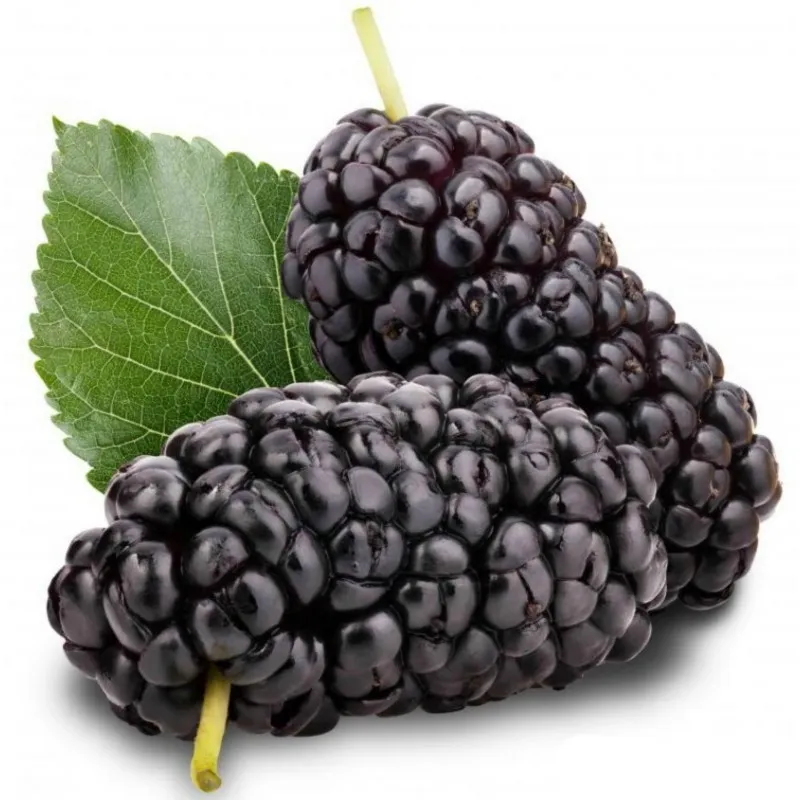
The black mulberry (Morus nigra) is a plant belonging to the Moraceae family probably originating in western Asia. It is a versatile tree with a rich history and benefits. The black mulberry is a valuable plant for both consumers and growers. In this article, we will explore the characteristics of the black mulberry, its main uses and health benefits. This small fruit with its dark, juicy skin is more than just a summer snack: it is a concentrate of goodness and beneficial properties that make it a valuable ally for our health.
Characteristics of the black mulberry
- Appearance and growth: The black mulberry is a tree that can reach a height of 10-15 metres. Its large, dark green leaves turn red or purple during autumn.
- Ideal habitat: Native to Asia and particularly widespread in the Middle East, the black mulberry thrives in temperate climates but is adaptable to different climatic conditions. It prefers fertile, well-drained and slightly acidic soil, but also tolerates sandy or loamy soils. The tree prefers a sunny location but can also grow in partially shaded areas.
Beneficial properties of the black mulberry
Black mulberries are a concentrate of essential nutrients. Here are some of their main beneficial properties:
- Rich in antioxidants: the dark colour of mulberries is indicative of their high content of antioxidants, particularly anthocyanins and resveratrol. These compounds help fight free radicals, protecting cells from oxidative damage and reducing the risk of chronic diseases.
- Immune system support: thanks to the presence of vitamin C, black mulberries help strengthen the immune system by promoting the production of white blood cells and protecting the body against infections.
- Digestion benefits: black mulberries are rich in fibre, which aids digestion and proper functioning of the intestines. Consuming black mulberries can help prevent digestive problems such as constipation and maintain intestinal health.
- Regulating blood sugar levels: some studies suggest that regular consumption of black mulberries may help regulate blood glucose levels, making them a useful fruit even for diabetes sufferers.
The goodness of the black mulberry
To make the most of the beneficial properties of the black mulberry, here are some tips on how to consume it:
- Fresh consumption: Eating the fruit fresh is the best way to benefit from their nutritional properties.
- Jams and preserves: The texture and flavour of the black mulberry make it ideal for preparing jams, such as those made by Agrisicilia! The preserves are perfect for accompanying slices of toast, fresh cheeses or for filling desserts.
- Sweets and desserts: black mulberries can be used as the main ingredient in cakes, tarts, and ice cream, where their unique flavour adds a note of originality and freshness.
- Juices and smoothies: for a refreshing and nutrient-rich summer drink, black mulberries can be blended into a delicious smoothie or used to prepare natural juices.
Conclusion
The black mulberry is more than just a summer fruit: it is a true nutritional and gastronomic treasure. For both its health-enhancing ability and its unmistakable flavour, the black mulberry deserves to be rediscovered and enhanced. Next time you see them, don’t hesitate to stock up on them: your palate and your body will thank you for it.